Current Tankers and Tenders
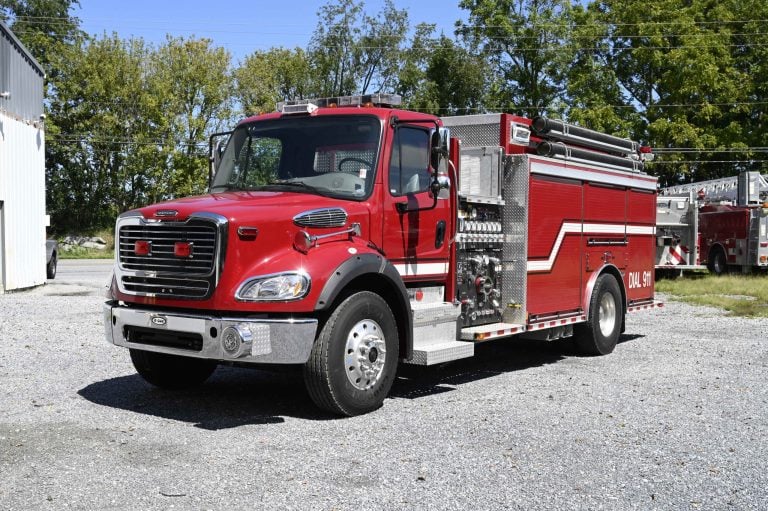
2015 Pumper / Engine Stock #26-036
E-One 1500/1830 Pumper Tanker
1,500 GPM 1,830 GAL 19K MI
$340,000
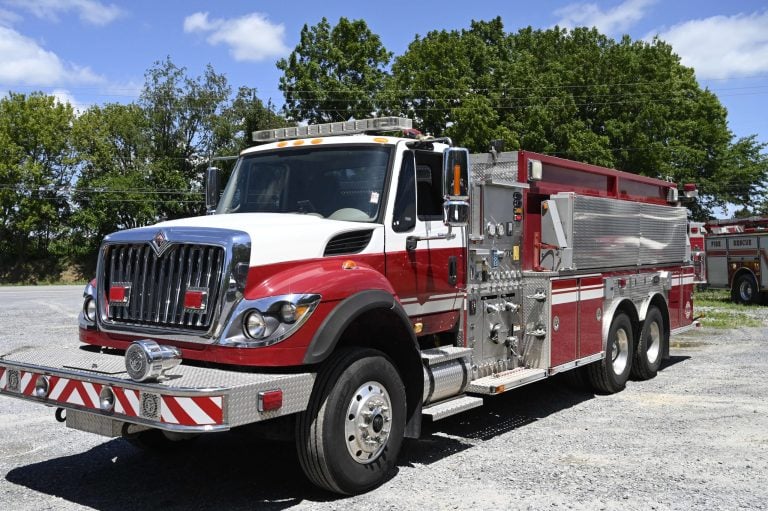
▶Video View Details →2008 Pumper / Engine Stock #26-032
E-One 2000/3000 Pumper Tanker
2,000 GPM 3,000 GAL 24K MI
$350,000
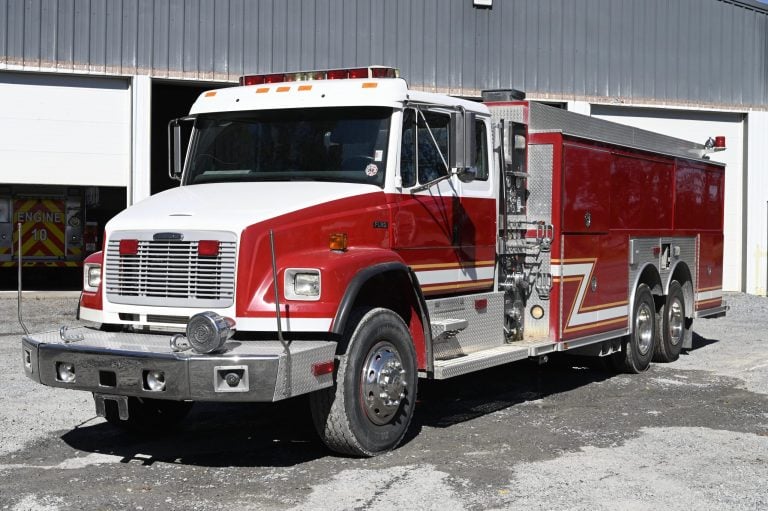
▶Video View Details →2003 Pumper / Engine Stock #25-043
500/3000 Tanker
500 GPM 3,000 GAL 27K MI
$195,000
▶Video View Details →Not Seeing the Configuration You Need?
Or call 866-238-6688
Offload, Fill and Pumping
Tankers and tenders supply water where hydrants are limited. The specs that matter most are how much water the truck carries, how fast it can offload, and how quickly it can refill. We list tankers and tenders together.
In a shuttle, offload rate matters as much as tank size.
Dump Valves
Rear, side or both. A large dump into a portable tank empties a truck much faster than a single discharge.
Jet Assist
Can speed up gravity dumping, and is common on purpose-built tankers.
Pump
Some tankers can supply an attack line directly; others carry only enough pump to move water. Confirm which.
Fill time, travel time and dump time together determine how much water a truck delivers per hour.
Pumper Tanker or Straight Tanker
A pumper tanker is an attack engine that also carries substantial water; those are on pumpers and pumper tankers. A straight tanker is built for supply, with limited or no attack capability, and works alongside an engine.
Chassis, Baffling and What Fails
Baffling
Inadequate baffling, more likely on older or converted units, can affect stability and handling.
Tank Mounting
And the frame beneath it.
Brakes and Suspension
They carry heavy loads on every run.
Converted Commercial Units
Ask what the conversion involved and who did it.
Frequently Asked Questions
What is the difference between a fire tanker and a fire tender?
For ground apparatus, they describe the same thing. Tanker is the traditional structural fire service term. Tender is the wildland and NIMS term, where “tanker” refers to a fixed-wing air tanker.
How much water do we need?
It depends on the distance to your fill site and how many trucks are in the shuttle. Work out the round trip before settling on a tank size.